What Property Owners Need to Know About IAQ
Having a comfortable indoor environment is a top priority for property owners, especially in Los Angeles. Our unique climate, from coastal humidity to dry inland air, combined with a mix of old and new construction, creates a specific set of challenges for indoor air quality (IAQ). Many everyday items and hidden conditions inside your property can also affect your indoor environment.
Understanding what to avoid, what to look for, and what you can do to support the air quality in your home can bring peace of mind and minimize property issues. When you and your family spend a significant amount of time indoors, the quality of your environment is vital.
This guide will walk you through the primary factors that influence indoor air quality in Los Angeles homes, how to identify them, and what proactive steps you can take. Most importantly, it will explain how to handle one of the most common and concerning issues: indoor mold growth.
How To Test Your Indoor Air Quality: DIY vs. Professional
When property owners become concerned about their indoor environment, their first question is often, “How do I test the air?”
The Limits of DIY Home Kits
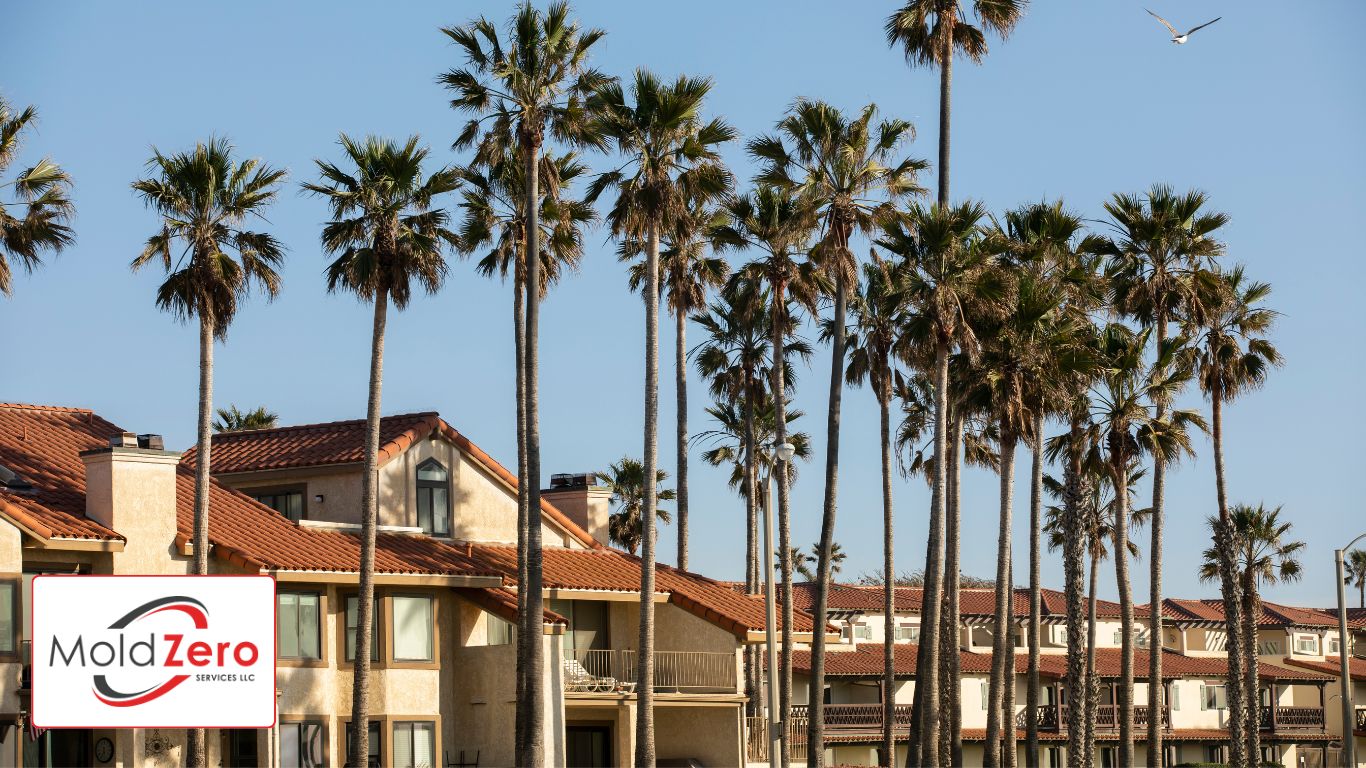
Homeowners can buy DIY test kits from a hardware store. These kits, which are often simple petri dishes (settle plates), are designed to show if mold spores are present in the air. However, they have significant limitations.
- They Will Likely Find Mold: Mold spores are a natural part of any environment. A positive result simply tells you what you already know: mold exists.
- They Don’t Tell You Where: The kit cannot tell you if you have a hidden mold colony behind a wall, under a floor, or in your attic.
- They Don’t Tell You Why: The test doesn’t identify the moisture source—the leaky pipe, the failed window seal, or the poorly ventilated bathroom—that is causing the problem.
A DIY kit can confirm a suspicion, but it doesn’t provide an actionable solution.
The Value of a Professional Inspection
If you have any persistent concerns, like a musty odor or visible discoloration on walls, a professional inspection is the only reliable course of action. This is where Mold Zero’s expertise begins.
We offer a free on-site inspection to identify potential moisture and mold issues. This is not just a guess; it’s a diagnostic process. Our NORMI Certified inspector will:
- Conduct a Visual Assessment: We look for visible growth, water staining, and other tell-tale signs of a moisture problem.
- Use Advanced Technology: We use tools like thermal imaging cameras to find temperature differences in walls that can indicate hidden moisture. We also use moisture meters to get a direct reading of the dampness in drywall, wood, and other materials.
- Identify the Source: We trace the issue back to its root cause. Is it a plumbing leak? A roof issue? Condensation from an HVAC unit?
- Provide a Clear Plan: After our assessment, we provide a detailed, itemized quote and a clear remediation plan if one is needed.
This professional assessment gives you a complete picture of your property’s condition, which is something no DIY kit can do.
Primary Factors That Can Affect Indoor Air Quality
Several common household items and conditions can contribute to poor indoor air quality. As a property owner, it’s important to be aware of them.
1) Presence of Mold (A Primary Concern)
This is arguably the most significant and property-damaging IAQ concern. If you have any water damage—past or present—or live in a region with high humidity, your property is at risk for mold growth.
As mold grows, it digests the organic material it’s on (like drywall paper, wood, and insulation). During this process, it releases spores and microbial volatile organic compounds (mVOCs). These mVOCs are what create that recognizable “musty” or “earthy” odor. This odor is a direct indicator that mold is actively growing and digesting material somewhere in your property.
Mold remediation is a comprehensive process that includes inspection, remediation, and prevention measures to address the issue and discourage regrowth. As NORMI Certified professionals who have completed over 1,000 mold remediation jobs, we know that the best way to determine if mold is impacting your property is to schedule a professional inspection.
2) Using Certain Chemical Cleaning Products & Furnishings
Many items can release “volatile organic compounds” (VOCs) into the air, a process often called “off-gassing.” These compounds can come from sources you might not expect, including:
- Strong chemical cleaning products
- Aerosol air cleaners and sprays
- Paints and solvents
- New carpets and furniture
- Engineered wood products
These odors are often strongest when the products are new and typically fade over time. Good ventilation is key to minimizing their concentration. At Mold Zero, our “Family First” philosophy means we use high-quality solutions we would trust in our own homes.
3) Poor Indoor Airflow and Ventilation
Air circulation is critical. Modern, energy-efficient homes are often built to be very “tight” to prevent heating and cooling loss. The downside is that this can also trap indoor pollutants and moisture.
Conversely, some older Los Angeles homes may have too much “uncontrolled” airflow (drafts), which can bring in outdoor pollutants.
The biggest issue with airflow is stagnation. A bathroom with a weak or non-existent exhaust fan, a cluttered basement, or a laundry room without proper venting creates pockets of damp, stagnant air—the perfect breeding ground for mold.
4) Smoking Indoors
The residues from cigarettes, cigars, and e-cigarettes significantly affect air quality and property condition. These elements create a “thirdhand” residue that can settle on all surfaces, embed in carpets and drywall, and cause persistent, unpleasant odors and discoloration that are very difficult to remove.
Who Provides IAQ Guidelines?
Several government agencies, including the Environmental Protection Agency (EPA), provide public guidelines on indoor air quality. It’s important to know that while the Clean Air Act (CAA) sets standards for outdoor air and emissions from sources, there are no federal regulations for air quality inside residential homes.
The EPA provides recommendations and best practices, but ultimately, the responsibility for maintaining the indoor environment falls to the property owner. This is why being proactive is so important.
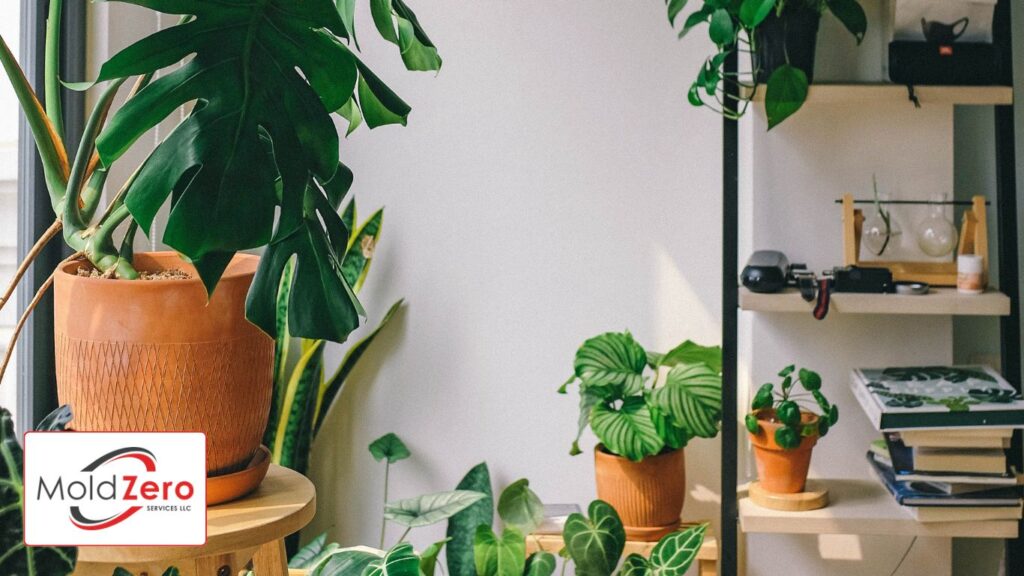
Do Indoor Plants Really Help Improve Air Quality?
This is a common question. The idea that plants “purify the air” comes from a NASA study from 1989. However, that study was conducted in a small, sealed, lab-controlled chamber.
In a real-world home with normal air exchange, you would need a very large number of plants (some experts estimate two large plants per 100 square feet) to have even a small effect.
While plants are a wonderful addition to a home, they are not a substitute for proper ventilation or addressing pollution sources. Furthermore, be careful not to over-water them, as damp soil can become a small source for mold growth.
Proactive Tips for a Better Indoor Environment in Your LA Home
Maintaining your property will help support a better indoor environment for everyone. Here are some simple, proactive tips.
- Avoid Masking OdorsCommercial air fresheners, scented candles, and wax melts often contain VOCs that can deteriorate air quality. More importantly, these products mask odors; they don’t resolve the underlying cause. If you have a persistent musty odor, your property is trying to tell you there is a moisture or mold issue. Finding and addressing that source is the only permanent solution.
- Control Humidity at the SourceMold needs moisture to grow. Control the moisture, and you control the mold.
- Use Exhaust Fans: Run your bathroom exhaust fan during every shower and for 15-20 minutes afterward.
- Ventilate Cooking: Use your kitchen’s range hood fan when cooking.
- Check Vents: Ensure your clothes dryer vent is clean and vents directly outside.
- Check for Leaks: Regularly check under sinks, around toilets, and at appliance hookups for any small, slow leaks.
- Maintain Your Heating and Cooling (HVAC) SystemThe HVAC system circulates all the air in your home. If the filter is dirty, it’s circulating dust and particulates. Use a high-quality, pleated air filter (such as one with a MERV 8-11 rating) and change it according to the manufacturer’s schedule (typically every 1-3 months).
- Install a Carbon Monoxide MonitorThis is a critical, non-negotiable component for any property. A carbon monoxide monitor will alert you to the presence of this odorless, colorless gas, which can be fatal. Ensure you have monitors installed on each level of your property, especially near sleeping areas.
- Test for RadonRadon is an odorless, colorless gas that can enter a property from the ground. It is a known concern for occupants. You can use a radon test kit or purchase a digital monitor to check the levels in your property.
- Use an Air Filter SystemNot all air filtering systems are equal. A high-quality, portable air purifier with a HEPA filter (High-Efficiency Particulate Air) is effective. These filters are certified to capture 99.97% of particles of a specific size, which includes dust, pollen, and other airborne particulates.
Address the Source of Your IAQ Concerns Today
You can follow every tip on this list, but if you have an active mold problem, you are not solving the issue. You cannot filter away a mold colony.
You do not have to wonder about your indoor air quality. If you suspect the musty odor, stuffiness, or visible discoloration in your property is due to mold, do not wait. The first step to a better indoor environment is identifying the source of the problem.
Contact Mold Zero Services LLC today. Our NORMI Certified experts provide a free, no-obligation inspection and quote. We will find the moisture source, assess the situation, and provide a clear plan. Our process is fast, minimally invasive, and backed by our:
- 1-Year Guarantee
- Independent, Third-Party Lab Verification
We have over 1,000 successful remediation jobs on our record. We are the trusted experts for Los Angeles property owners who need a real, comprehensive solution.
Call us now at (626) 671-8885 or fill out our online form to have an expert contact you.