Main points:
- Living in damp or moldy buildings increases the chances of respiratory problems like asthma.
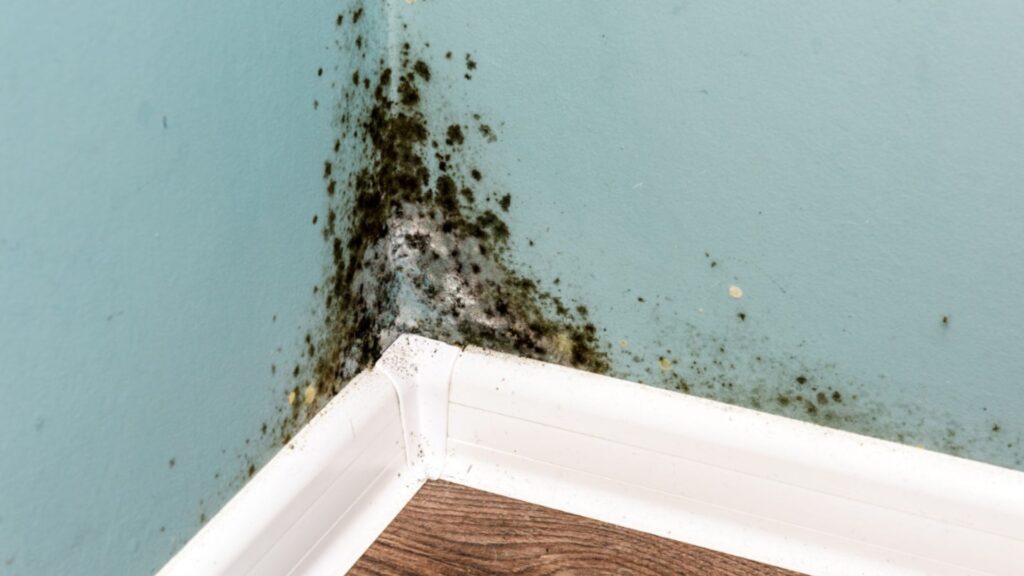
- The critical warning signs are visible mold, water damage, damp materials, or mold smell.
- Dampness is needed for mold to grow, so if you control the dampness, you control the mold.
- Dampness or mold indoors may make housing substandard, per the California Health & Safety Code.
This booklet describes the increased risks to health, including specific health issues, that may result from exposures to dampness or mold in buildings. This booklet was produced in January 2021 by the California Department of Public Health (CDPH) in accordance with the 2001 Toxic Mold Protection Act (HSC §26148).
Health Problems from Damp or Moldy Buildings
Living or working in damp or moldy buildings increases the risk of many harmful health problems, including:
- Asthma attacks in people who already have asthma
- A new asthma diagnosis
- Respiratory infections, such as bronchitis
- Breathing symptoms, such as hay fever, sneezing, stuffy nose, sore throat, wheezing, breathing difficulty, or cough
- Eczema or skin rash
Mold can affect people differently. How much a person is affected depends on how sensitive they are and on how much they are exposed. Damp or moldy buildings are linked to health problems in people even if they do not have allergies
Signs of Dampness or Mold
Signs of dampness or mold that may cause health problems include:
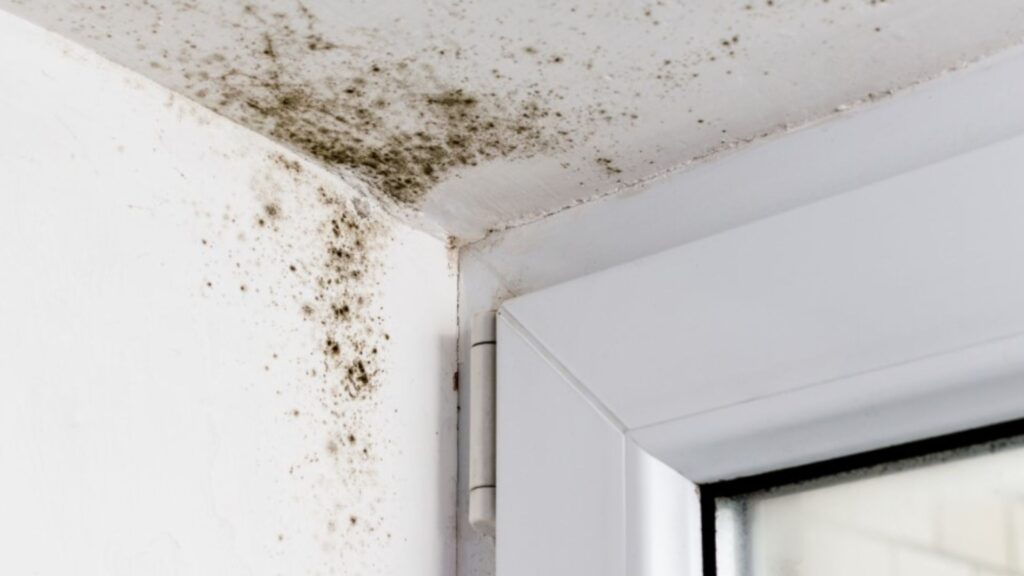
- Visible mold (regardless of color), such as on walls or ceilings, behind furniture or appliances, under carpets, or even hidden in areas not seen in the occupied areas of homes
- Mold odor, noticed as an earthy, musty, or moldy smell
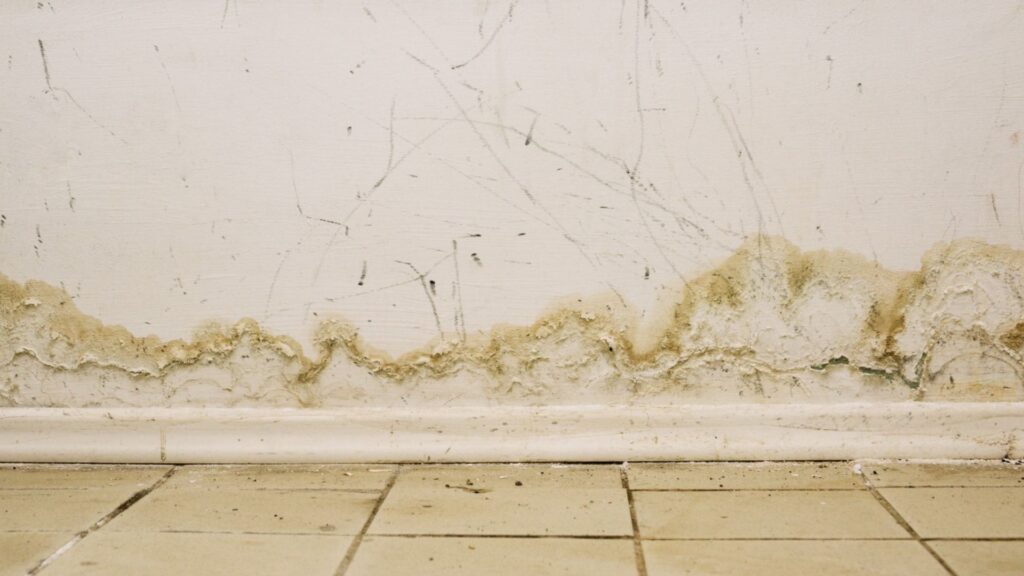
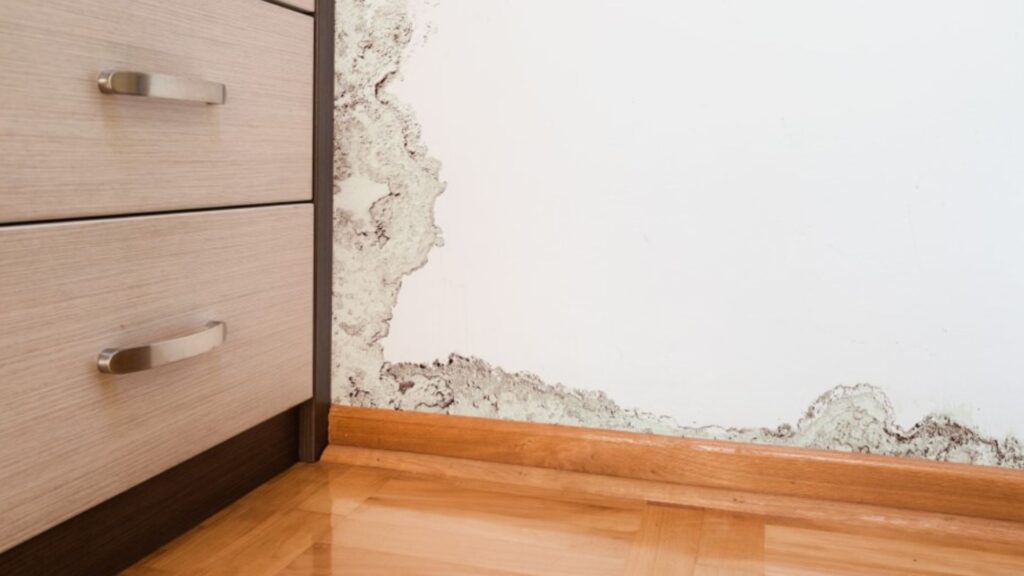
- Visible water damage, such as water-stains or discoloration on walls or ceilings, peeling or bubbled paint, warped floors, or rotting wood
- Damp or moist materials, including condensation on windows or walls
Any one of these signs indicates increased risks to health, and the more that any of them are present, the greater the risk of health problems. Tests that identify the types of mold or the amounts of mold in buildings are not useful in telling us about the health risks. This is why CDPH does not recommend testing for mold, such as measuring mold spores in the air unless done by a mold inspection professional in Los Angeles.
Causes of Building Dampness that Can Allow Mold to Grow
The dampness that is necessary for indoor mold to grow can come from either inside or outside a building.
Indoor sources include:
- Leaking or burst water pipes, for instance under sinks inside walls
- Not enough venting to the outside by open windows or exhaust fans in places where water is used or moisture is produced (for example, bathrooms, laundry areas, kitchens, and water heaters)
- Condensation (water droplets) on cold surfaces, including windows
Outdoor sources include:
- Water coming in through leaky roofs or poorly-sealed windows, or from flooding
- Damp, exposed dirt in crawl spaces
- Outdoor surfaces that slope and drain water toward a building, including from a downspout
Fixing Dampness and Mold Problems
The California Health & Safety Code (HSC §17920.3) says that when dampness or visible mold (or certain other conditions) in a home is a hazard to the health of occupants, the home is substandard and the property owner must fix the conditions. The Code excludes mold that is “minor and found on surfaces that accumulate moisture as part of their properly functioning and intended use.”
CDPH recommends fixing dampness and mold problems as follows:
- Identifying and correcting the source of any water that may allow mold to grow
- Rapid drying or removal of damp materials
- Cleaning or removing mold and moldy materials as rapidly and safely as possible
Note: if a moldy area is simply bleached, cleaned, or painted over—without fixing the source of the dampness—the mold is likely to grow again.
Property Owners in California
As a property owner in California, you are legally required to provide a rental unit that is safe and healthy. The California Health & Safety Code (HSC §17920.3) identifies visible mold or dampness as a substandard condition that must be corrected. If mold is discovered in your property, address it promptly — early remediation protects your tenants, your liability, and your investment.
For property owners who discover dampness or mold in their property:
- Contact a professional remediation company promptly. Early correction of dampness and mold problems reduces health risks and prevents the problem from worsening.
- Notify your tenants of the issue and the remediation plan. Transparent communication protects your liability and maintains trust.
- Contact your local code enforcement agency if you need guidance on compliance requirements under the California Health & Safety Code.
Additional Resources
For general information on dampness and mold and a list of local code enforcement agencies, with a focus on dampness and mold, see www.cdph.ca.gov/iaq/mold.