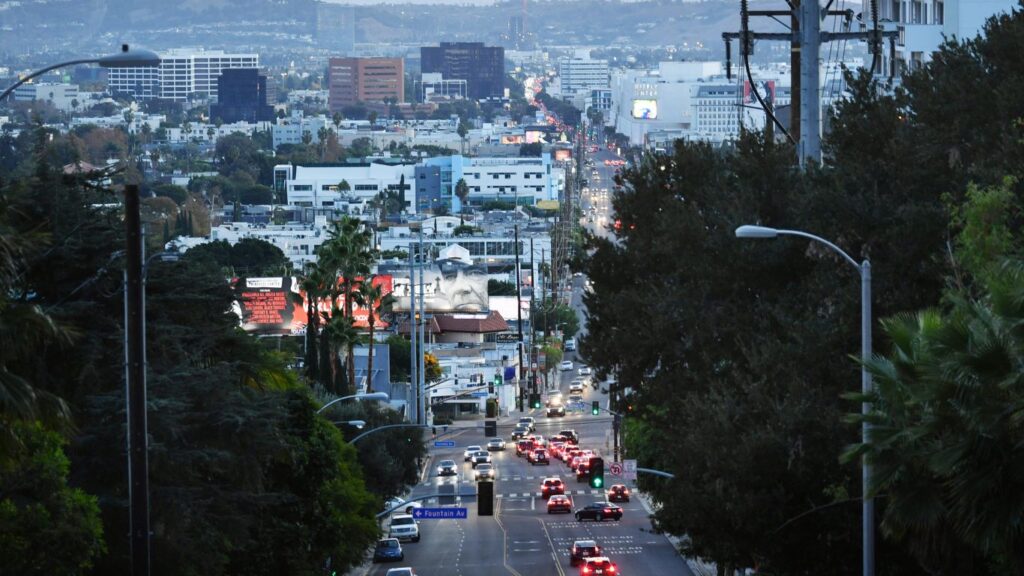
West Hollywood is one of the most densely built cities in the region, and its character comes from its buildings. WeHo is famous for its 1920s and 1930s courtyard apartments, the Spanish Colonial and Art Deco complexes that fill its historic districts, and many of those buildings are now condominiums governed by homeowner associations. A mold problem in a building like that is a shared problem by definition. Mold Zero provides professional mold remediation West Hollywood property owners and boards can trust, treating the whole structure rather than a single unit. The work is led by Rusty Tweed, who is NORMI-certified, BBB-accredited, and the author of a book on mold methodology built from more than a thousand jobs across California and Florida.
Hundred-Year-Old Buildings, Shared Walls, and Shared Risk
The courtyard buildings that define West Hollywood were designed in the 1920s to pack elegant, high-density living onto small lots, with units wrapped around a shared courtyard and stacked above one another. That design is beautiful, and it means the units are physically connected in ways a single-family home never is. They share walls, they share plumbing risers that run floor to floor, and they share a structure that is now approaching a hundred years old. When a pipe fails on an upper floor or a leak starts inside a party wall, the water does not stay put. It follows the plumbing and the framing down and across into other units, which is why mold discovered in one condo has so often started somewhere else in the building. Finding where it actually began is the whole job. On a large courtyard building, that search may run from a rooftop or an upper unit all the way down to a ground-floor condo, and skipping it means treating the symptom while the source keeps working.
What This Means for an HOA Board
For a condo association or a building owner, that shared structure turns a mold problem into a governance problem. When mold crosses from a common area or a shared wall into a unit, the question of who is responsible, and whether the association handled it properly, lands on the board. A single unit treated in isolation does not resolve it, and an undocumented cleanup does not protect the board if an owner raises a health or property-value concern later. Mold Zero works the way a board needs. We treat the building as one connected system, and we deliver documented, independent-lab results the association can put in the record and stand behind. That is the mold remediation West Hollywood boards and owners rely on, whole-structure and verified. For a board managing a reserve budget and owner expectations, a clear, documented scope also makes the cost defensible and the decision easier to explain at the next meeting.
What Proper Mold Remediation West Hollywood Buildings Need
Mold remediation West Hollywood buildings need starts with the moisture source, because killing visible mold while water keeps coming only resets the clock. Once the source is corrected, the Mold Zero process works in stages. Technicians HEPA-vacuum the surfaces, hand-wipe them with a non-toxic antimicrobial, fog the space to reach the cracks and cavities cleaning cannot, wipe down a second time to remove dead material, and apply a protective final treatment. Because so many of these buildings sit in historic districts, the work is kept as non-destructive as possible, preserving original material wherever it can be saved. Every job ends with independent lab clearance testing, so the result is confirmed rather than assumed.

Condos, Multi-Unit, and Commercial Properties
West Hollywood is dense with more than just condos. The city has older apartment buildings, mixed-use blocks, and the commercial and retail space along Santa Monica Boulevard and the Sunset Strip. For a landlord, a building owner, or a commercial owner, the same rule applies as for an association. Mold in one space rarely stays there, because shared walls, shared plumbing, and shared air handling carry it further. Mold Zero treats the whole building rather than a single unit, and provides the documentation an owner or manager needs for tenants, insurers, and lease files. In a city this compact and this valuable, protecting the whole structure is protecting the investment. A century-old building rewards owners who stay ahead of moisture, and it punishes those who wait until a stain appears.
Inspection, Testing, and Clearance
Every job begins with knowing exactly what is present and where the water is coming from. A professional inspection maps the moisture through the structure, checks the shared walls and the plumbing runs, and when it is warranted sends air and surface samples to an independent third-party laboratory. The EPA is blunt about the fix, that controlling mold means controlling moisture, which is the whole basis of how we work. Every remediation ends with clearance testing, independent lab samples confirming the property is back to a normal range before the job is called done.
Serving West Hollywood and the Surrounding Area
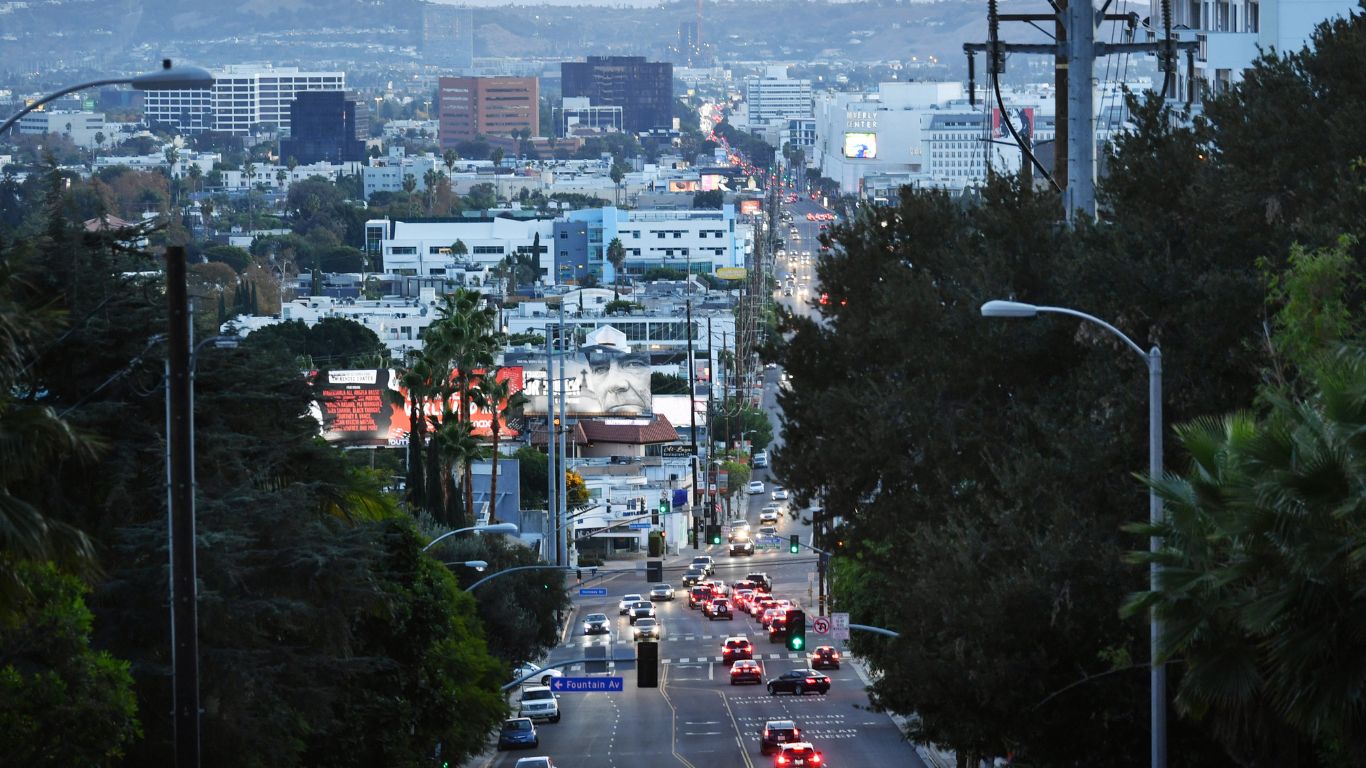
Mold Zero provides the mold remediation West Hollywood counts on, from the courtyard buildings of the Harper and Fountain historic districts to the condos and commercial properties along Santa Monica Boulevard, along with neighboring Beverly Hills, Hollywood, and the Fairfax District. Whether the property is a 1920s courtyard condo, a newer multi-unit building, or a commercial space on the Strip, the approach is the same. Find the moisture, treat the whole structure, and verify the result.
Book a Free Mold Inspection in West Hollywood
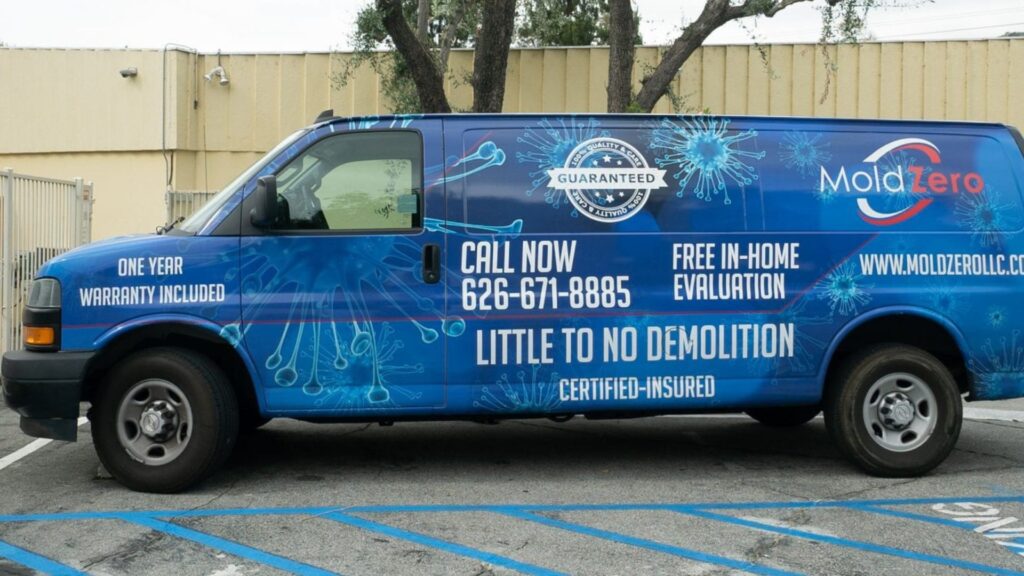
If you own or manage a property in West Hollywood, or you sit on a condo board dealing with a mold concern, or you have had a leak or a musty smell in a unit or a common area, the right first step is a professional look. Call Mold Zero at (626) 671-8885 or book online to schedule a free inspection. You will get an honest assessment, independent lab verification when it is warranted, and mold remediation West Hollywood owners and boards can count on, backed by our 1-year guarantee.