

Top 5 Causes of Mold in Los Angeles Homes (And How to Prevent It)
Mold is a persistent issue for many Los Angeles property owners. As a natural part of our ecosystem, mold spores are present everywhere. Outdoors, they play a vital role. But when those spores find a foothold inside your home or business, they become a problem that can impact your property and become a concern for occupants.
As NORMI Certified professionals who have completed over 1,000 mold remediation jobs across Los Angeles, we’ve seen firsthand what causes mold to take hold. You can’t keep spores out completely, but you can control the indoor conditions that allow them to grow.
Understanding the five key elements mold needs to thrive is the first step in prevention.
1. Mold Spores
Mold spores are the invisible seeds of a mold problem. They are microscopic, naturally present in the outdoor air, and can easily enter your property through open windows, doors, or on clothing and pets. While you can’t stop spores from entering, you can prevent them from finding a place to grow.
Prevention Tip: Regularly changing your HVAC filters with high-quality, MERV-rated filters can help trap spores. Using doormats and vacuuming regularly with a HEPA-filter vacuum also reduces the number of spores tracked indoors.
2. Moisture
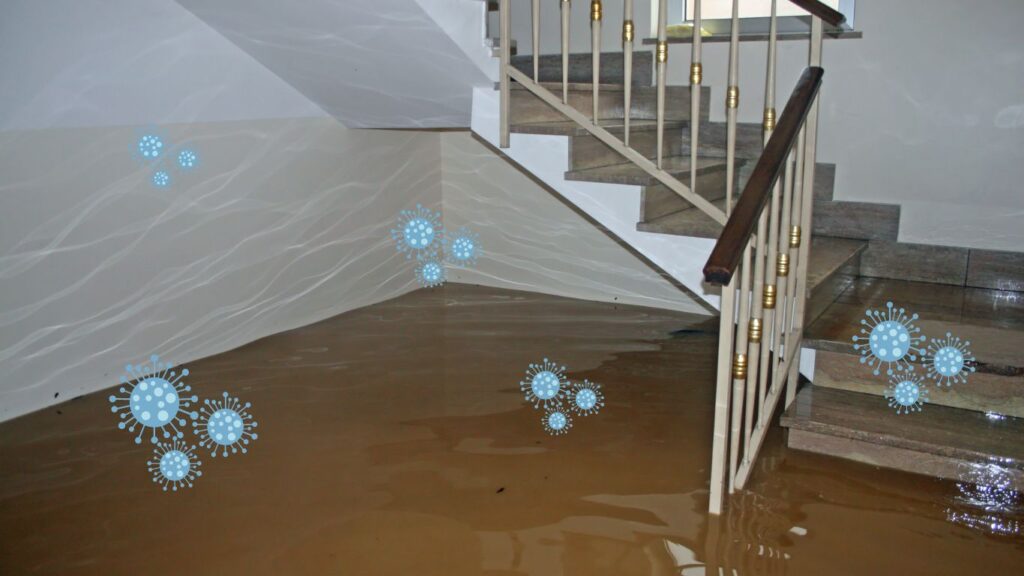
This is the single most important factor. Without moisture, mold cannot grow. In Los Angeles, moisture problems often come from:
- Obvious Leaks: Dripping pipes under a kitchen or bathroom sink.
- Hidden Leaks: Slow pinhole leaks inside walls or slab leaks.
- Water Damage: Issues from heavy rains, appliance failures, or firefighting efforts.
- High Humidity & Condensation: Common in bathrooms, laundry rooms, and even in poorly ventilated, energy-efficient homes where moisture gets trapped.
Moisture control is critical. According to the U.S. Environmental Protection Agency (EPA), it’s vital to dry water-damaged areas and items within 24-48 hours to prevent mold growth.
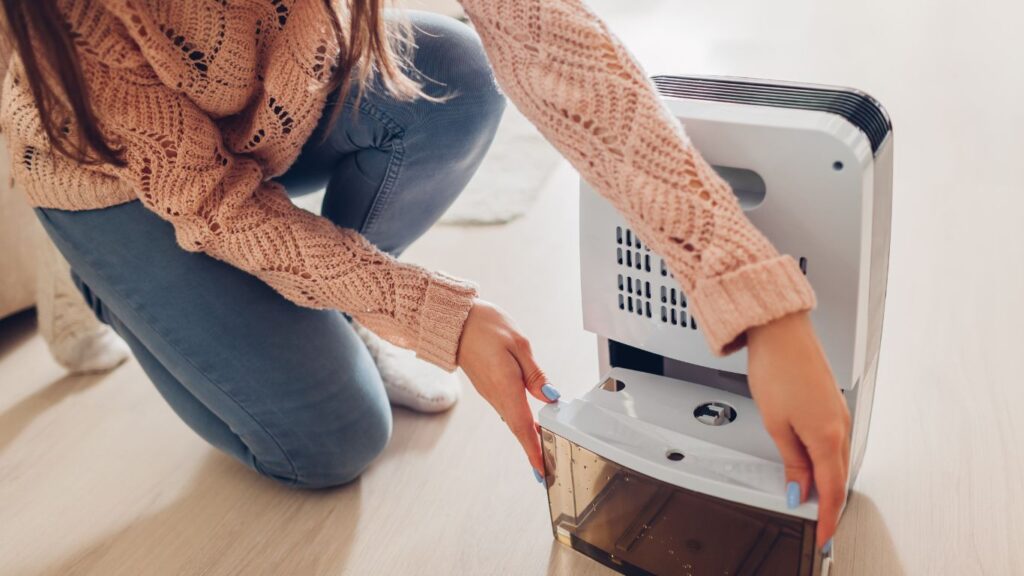
Prevention Tip: Be proactive. Regularly inspect areas under sinks, around toilets, and near appliances for any signs of dampness. Use a hygrometer to monitor indoor humidity, aiming to keep it below 50% to discourage mold growth.
3. A Food Source (Organic Materials)
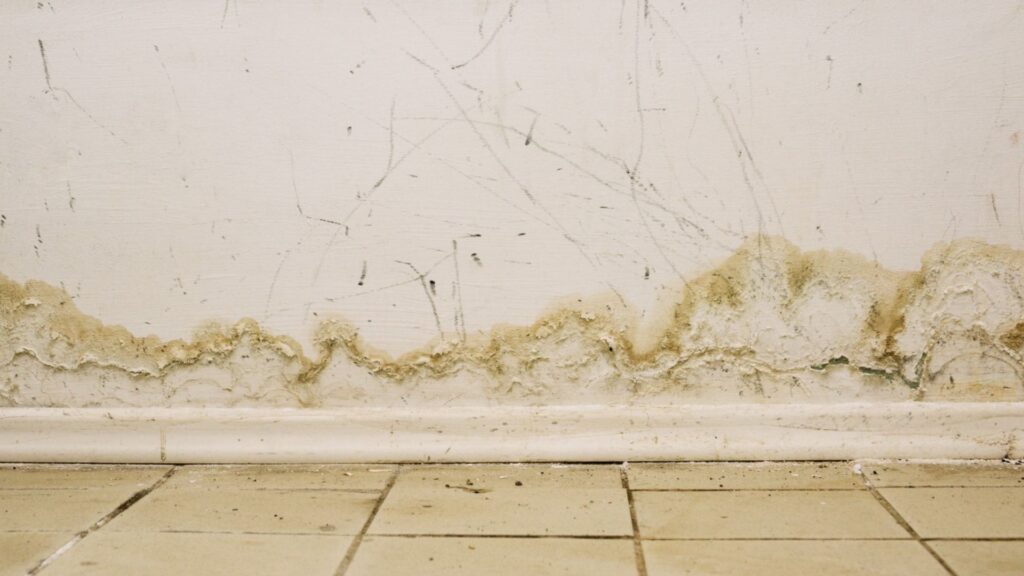
Mold isn’t picky about its food. It feeds on any organic, cellulose-based material, which is abundant in every home. Common food sources include:
- Drywall (paper facing)
- Wood studs and paneling
- Wallpaper and adhesive
- Carpet backing
- Accumulated dust and dirt
Prevention Tip: Regular cleaning to reduce dust and grime minimizes potential food sources. In damp-prone areas like basements or bathrooms, consider using building materials that are less susceptible to mold (e.g., mold-resistant drywall or tile).
4. Absence of Sunlight
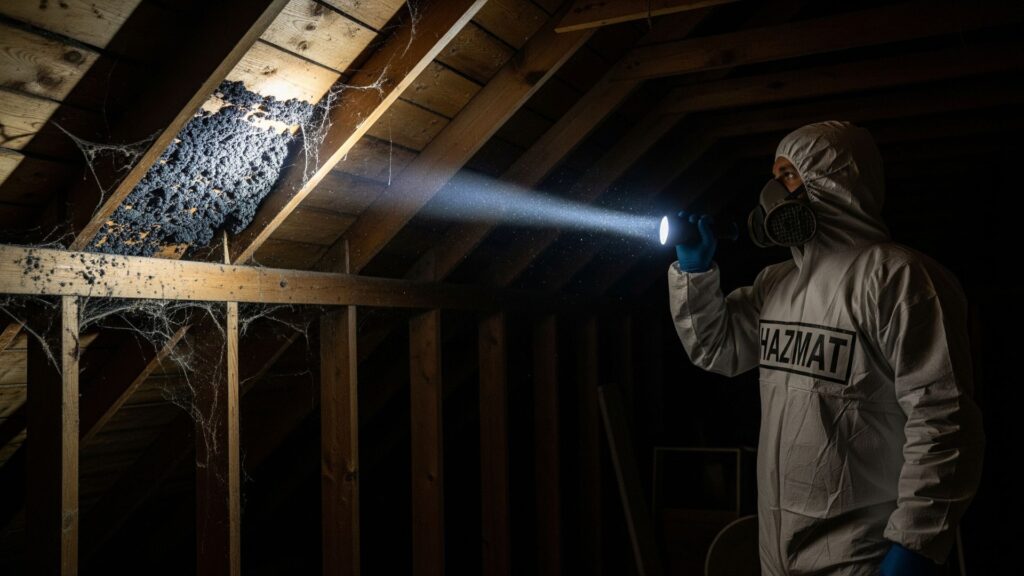
There’s a reason mold thrives in dark, damp places. The ultraviolet (UV) rays in natural sunlight can disrupt mold’s structure and inhibit its growth. This explains why mold is so often found in dim or dark areas like attics, basements, wall cavities, and closets.
Prevention Tip: Whenever possible, open curtains and blinds to let natural sunlight into your home. For dark, enclosed spaces like closets or storage areas, increase air circulation and occasionally leave doors open.
5. Oxygen
Like most living organisms, mold requires oxygen to grow and reproduce. It uses oxygen to break down its food source and create new cells. Since removing oxygen from your property isn’t a viable option, prevention must focus on the factors you can control.
Prevention Tip: While you cannot remove oxygen, you can control airflow. Stagnant air allows moisture and spores to settle. Using ceiling fans, running your HVAC fan, and periodically opening windows (on dry days) improves ventilation and makes it harder for mold to establish itself.
When Prevention Isn’t Enough: Contact the Los Angeles Mold Experts
Even the most diligent Los Angeles property owner can face a mold issue. If you see or smell mold, or suspect a hidden problem from a past leak, don’t wait. (For more general information on mold, the Centers for Disease Control and Prevention (CDC) is a useful resource.)
Contact Mold Zero Services immediately.
We are NORMI Certified professionals with the experience from over 1,000 mold remediation jobs across Los Angeles and San Marino. Our unique 5-step process is fast, minimally invasive, and designed to resolve the issue in just hours, not days.
We stand by our work with a 1-Year Guarantee, and for your complete peace of mind, our results are confirmed by unbiased, third-party lab verification after our process is complete.
Don’t let a mold concern impact your property. Call us now at (626) 671-8885 to speak with a specialist or fill out our online form to schedule your free, no-obligation inspection and quote today.