
Mold Removal/Atwater Village, CA
The river is closer
than it looks.
A high water table beside the river, shallow crawlspaces above it, and a converted garage at the back of most lots.
A free mold inspection near the river
Atwater sits on flat ground beside the LA River with a water table to match. The inspection measures what that means under your particular floor.
Why Atwater Village houses grow mold
Atwater Village occupies flat low ground along the LA River, and proximity to a river channel has an effect that survives the channel being concrete. The ground here holds water closer to the surface than the neighboring hillside communities, and the shallow crawlspaces under much of the housing sit directly above it.
The stock is 1920s to 1940s bungalows on small flat lots, raised foundations with modest clearance, and a great many converted garages at the back of the lot. The crawlspaces are shallow, the soil is usually bare, and the combination produces a floor structure sitting over a permanent low-grade humidity source rather than over dry ground.
Garage conversions deserve their own mention in this neighborhood because there are so many of them. A structure built as a garage has a slab poured without the moisture control a habitable floor would get, often no insulation in the walls, and frequently a laundry added later. Converted into a room or a rental unit, it becomes one of the most reliable moisture findings on the street.
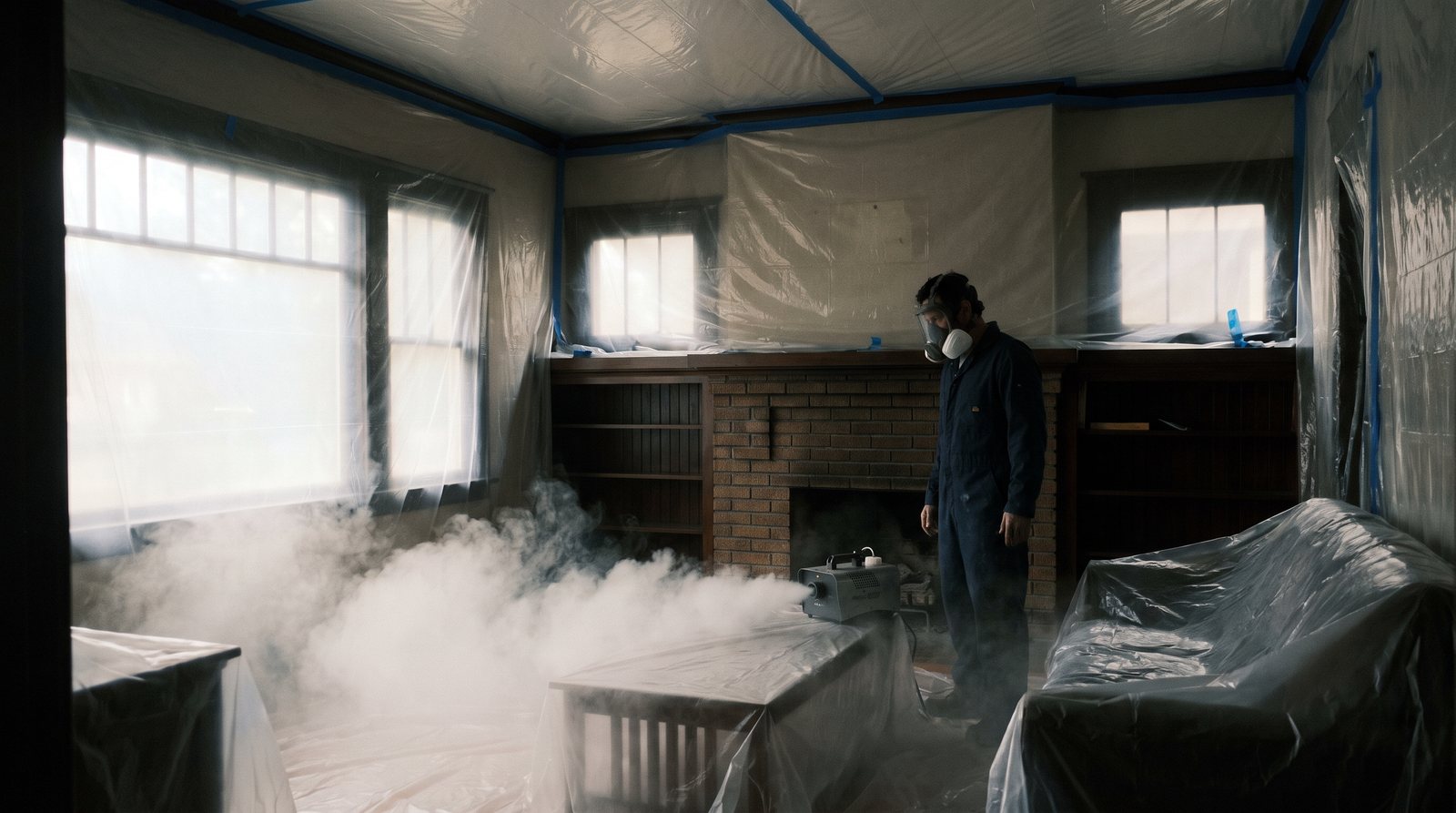
What an inspection checks first in Atwater Village
First stops on an Atwater Village property
- Crawlspace soil and vapor barrier, on ground where the water table sits high
- Clearance between soil and joists, which is modest on most of this housing
- Any converted garage: slab, insulation, laundry connections and ventilation
- Subfloor and joists metered directly rather than judged from the hatch
- Where downspouts discharge on a small flat lot with nowhere obvious to send water
A converted garage is a different building
It was built to house a car, on a slab poured for a car, with the ventilation a car needs, which is none.
Once it is a bedroom, an office or a rental, the same slab is under a heated occupied room and the difference shows up as damp at the base of the wall. Treating it as part of the main house, rather than as its own structure, is how it gets missed.
Neighborhoods this comes up in most: Glenfeliz, Glenhurst, Los Feliz Boulevard. The method does not change by address; what the inspector expects to find does.
Flat ground has nowhere to send it.
Hillside communities have a drainage problem you can at least reason about, because water is going somewhere. On a small flat lot beside a river there is no fall to work with, the ground is already holding water, and a downspout emptying two feet from the foundation simply adds to what is already there. The correction is usually about moving water further away rather than downhill.
Mold removal questions Atwater Village owners ask
The channel moves surface water; it does not change the water table under the surrounding flats. Ground here holds moisture closer to the surface than it does a mile uphill, and a shallow crawlspace over that ground is what makes the difference measurable.
It is scoped separately because it is a separate structure with its own slab, its own ventilation and usually its own problem. Whether it is treated at the same visit depends on what the inspection finds; often the main house is fine and the conversion is the entire job.
Enough for treatment, not enough to dry itself well. Low clearance means less volume and less air movement, so a vapor barrier matters more here than it does under a house with generous space beneath it.
It is worth having. If treatment happens, independent laboratory clearance produces a third-party report rather than a contractor’s certificate, which is the document that actually settles a question with a tenant or an insurer later.
Book a free inspection in Atwater Village
Atwater is about twenty minutes out. Mention whether there is a converted garage or a back unit.
What happens next
An inspector walks the property, most often Noel or Eddie, the two inspectors our customers name in review after review.
Written findings with the moisture source named, and no obligation attached to them.